
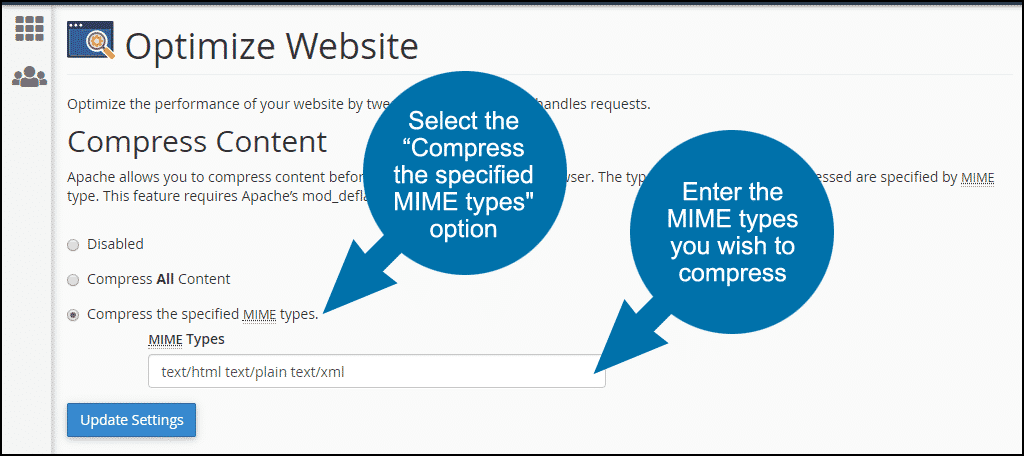
Internet media types, formerly known as 'MIME types' or 'Content-types', is a standard designed to indicate the type of information a file or piece of data contains. In HTML, this identifier can be useful for knowing the type of a file before downloading and being able to access it. It's a good practice to provide media type information whenever possible, like in the case of elements having attributes like type, enctype, formenctype and accept.
- Mime.contentType (type) Create a full content-type header given a content-type or extension. When given an extension, mime.lookup is used to get the matching content-type, otherwise the given content-type is used.
- Mime.types(5) Name mime.types - mime type description file for cups Description The mime.types file defines the recognized file types. Additional file types are specified in files with the extension.types in the CUPS configuration directory. Each line in the mime.types file is a comment, blank, or rule line. Comment lines start with the.
Every Internet media types identifier must comply with the following format:
Encapsulates the notion of a MIME type. Can be used at render time, for example, with: class PostsController. The list of MIME types and file extensions however is easily twice as long: application/pkcs8.p8.key application/pkcs10.p10.csr application/pkix-cert.cer application/pkix-crl.crl application/pkcs7-mime.p7c application/x-x509-ca-cert.crt.der application/x-x509-user-cert.crt application/x-pkcs7-crl.crl application/x-pem-file.pem application/x-pkcs12.p12.pfx application/x-pkcs7-certificates.p7b.spc application/x-pkcs7-certreqresp.p7r. Important MIME types for Web developers. This is the default for binary files. As it means unknown binary file, browsers usually don't execute it, or even ask if it.
[type]/[tree.][subtype][+suffix][;parameters]
As you may have already noted, the 'type' and 'subtype' must be present in any Internet media type. In the following list are some examples containing each of the parts outlined before.
Html Mime Type Text
image/pngapplication/rss+xmlvideo/mp4; codecs='avc1.640028'application/vnd.google-earth.kmz
- HTML Tutorial
- HTML References
- HTML Resources
- Selected Reading
MIME (Multipurpose Internet Mail Extension) media types were originally devised so that e-mails could include information other than plain text. MIME media types indicate the following things −
How different parts of a message, such as text and attachments, are combined into the message.
The way in which each part of the message is specified.
The way different items are encoded for transmission so that even software that was designed to work only with ASCII text can process the message.
Now MIME types are not just for use with e-mail; they have been adopted by Web servers as a way to tell Web browsers what type of material was being sent to them so that they can cope with that kind of messages correctly.
MIME content types consist of two parts −
- A main type
- A sub-type
The main type is separated from the subtype by a forward slash character. For example, text/html for HTML.
This chapter is organized for the main types −
For example, the text main type contains types of plain text files, such as −

Html Video Mime Types
- text/plain for plain text files
- text/html for HTML files
- text/rtf for text files using rich text formatting
MIME types are officially supposed to be assigned and listed by the Internet Assigned Numbers Authority (IANA).
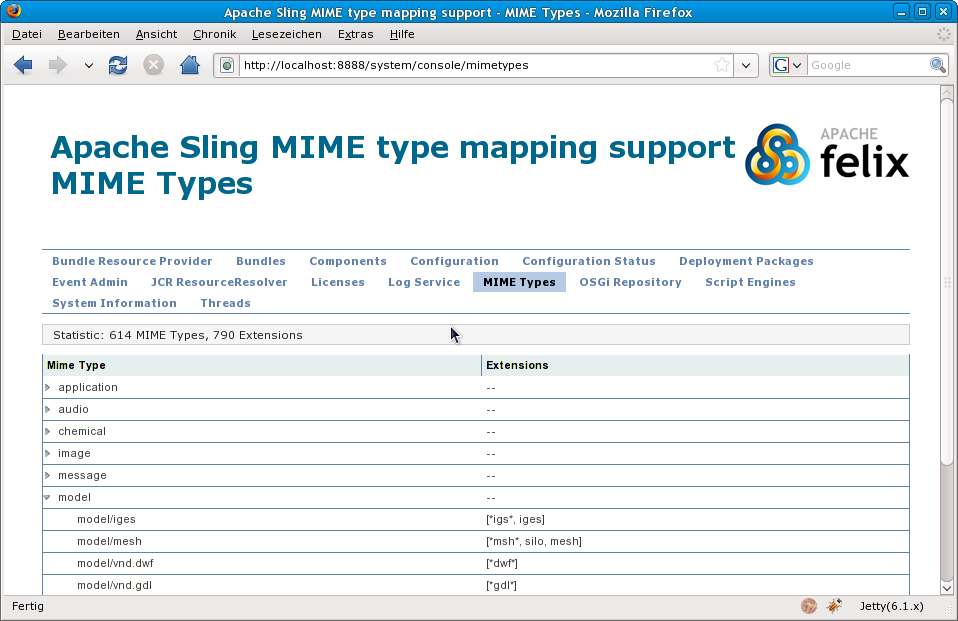
Many of the popular MIME types in this list (all those begin with 'x-') are not assigned by the IANA and do not have official status. You can see the list of official MIME types at http://www.iana.org/assignments/media-types/. Those preceded with .vnd are vendorspecific.
When specifying the MIME type of a content-type field you can also indicate the character set for the text being used. If you do not specify a character set, the default is US-ASCII. For example −